
Collectibles need to be properly graded!

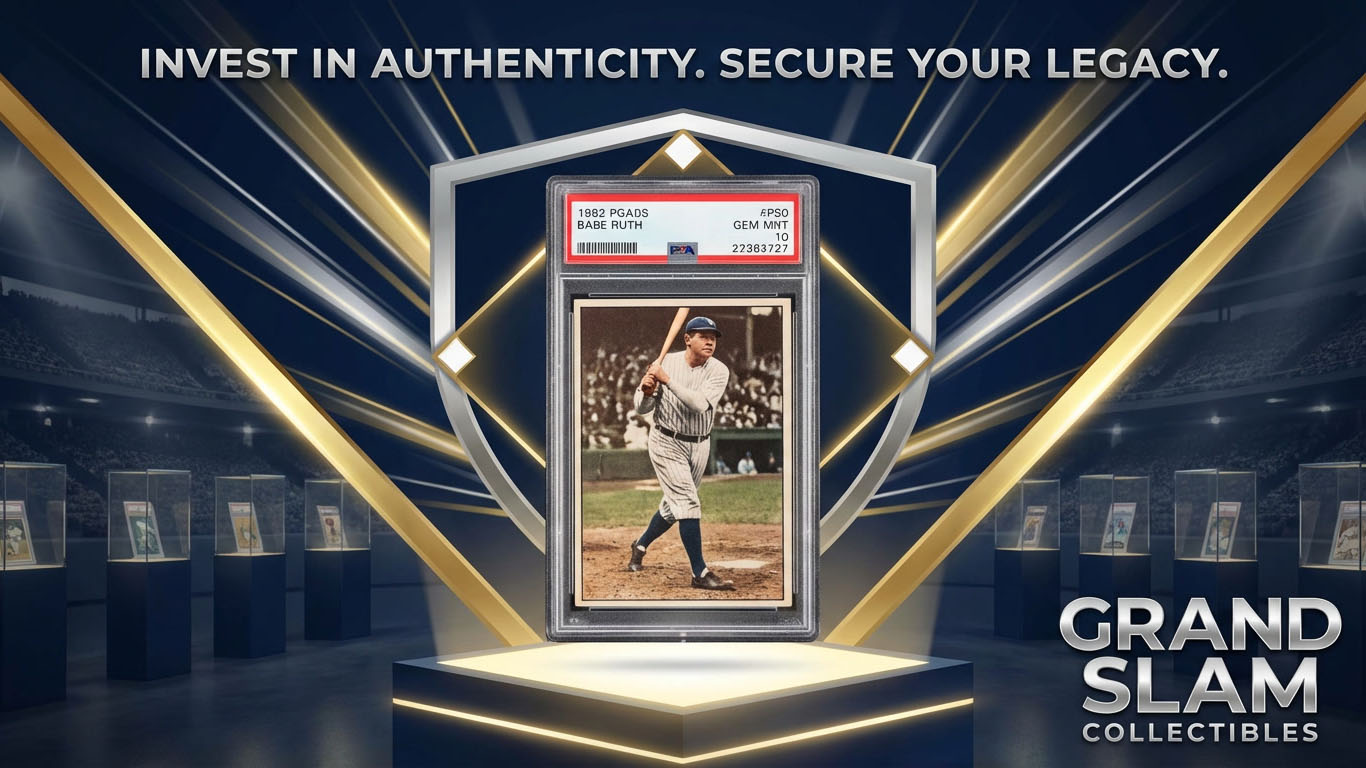
Grading provides an objective assessment of an item’s condition by professional third-party services, giving collectors a reliable standard to evaluate quality and authenticity. This process not only helps protect buyers from counterfeit or misrepresented items but also establishes a clear market value based on the assigned grade.
By investing in graded collectibles, collectors can confidently buy, sell, and trade with greater transparency and peace of mind, ensuring their collections maintain value over time. Grading typically involves a thorough examination of an item’s physical state, including factors like wear, damage, and originality. For example, coin grading assesses aspects such as luster, scratches, and strike quality, while trading card grading considers centering, surface condition, corners, and edges. Each item is then assigned a grade on a standardized scale—often ranging from poor to gem mint—that reflects its overall condition. These grades are documented on tamper-evident holders or certificates that accompany the collectible.
In addition to verifying authenticity and condition, graded collectibles often enjoy increased liquidity in the marketplace. Buyers are more willing to pay premium prices for items with verified grades because this reduces uncertainty about their purchase. Sellers benefit as well by attracting serious collectors who trust the grading system. It is important for collectors to choose reputable grading services that have established credibility within the industry. While professional grading can add value to an item, it may also involve fees and processing times that should be taken into account when deciding whether to submit collectibles for evaluation.
Overall, incorporating graded items into a collection enhances confidence in transactions and helps preserve investment value over time through standardized assessment practices recognized worldwide.